Choosing the Right Wedding Flowers for Your Style
Selecting the perfect blooms for your special day begins with understanding your personal aesthetic and venue atmosphere. Wedding flowers serve as more than mere decoration; they set the emotional tone and create lasting visual memories for you and your guests. Whether you envision romantic garden elegance, modern minimalist sophistication, or bohemian wild charm, the right floral choices bring your vision to life seamlessly.
Consider your dress style, colour palette, and season when making selections. Spring weddings naturally lend themselves to peonies, ranunculus, and sweet peas, while autumn celebrations shine with dahlias, chrysanthemums, and burgundy amaranthus. Summer offers abundant options like garden roses and sunflowers, whereas winter calls for elegant anemones, orchids, and evergreen accents. Working with a knowledgeable florist ensures your choices align perfectly with your date and location.
Seasonal Wedding Flowers That Save Money
Choosing in-season wedding flowers is one of the smartest budget decisions you can make for your celebration. Blooms those are naturally available during your wedding month cost significantly less than imported or out-of-season varieties, often reducing your floral budget by thirty to fifty percent. Spring couples enjoy affordable tulips and daffodils, while summer brides find value in zinnias, cosmos, and locally grown roses.
Autumn brings budget-friendly chrysanthemums, marigolds, and ornamental kale that create stunning texture without premium pricing. Winter weddings can still feel luxurious with anemones, paperwhites, and strategic greenery like eucalyptus and pine. Beyond cost savings, seasonal flowers arrive fresher, last longer throughout your event, and support local growers. Your florist can guide you toward the most beautiful and economical options for your specific month.
Bridal Bouquet Trends for Modern Brides
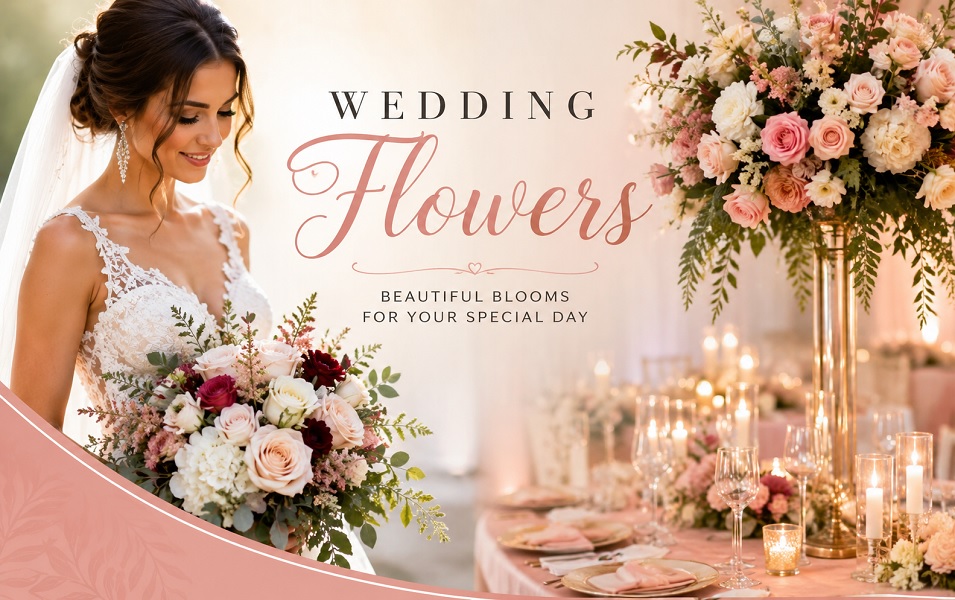
Today’s bridal bouquets have evolved beyond traditional round bunches into artistic statements that reflect individual personality and style. Asymmetrical, hand-tied garden bouquets dominate 2026 trends, featuring loose arrangements with intentional movement and negative space. Cascading orchids, sculptural calla lilies, and trailing amaranthus create dramatic visual interest that photographs beautifully from every angle.
Many modern brides are choosing monofloral bouquets featuring a single bloom type like garden roses or café au lait dahlias for an editorial, sophisticated look. Others embrace unexpected shapes including crescent silhouettes, hoop bouquets wrapped in blooms, or compact posies with long trailing ribbons. The key is selecting a bouquet that complements your dress silhouette and feels comfortable to carry throughout your ceremony and portrait session.
Ceremony Flowers That Create Stunning Backdrops
Your ceremony space deserves floral attention that creates breathtaking backdrops for your vows and photographs. Arch and arbour installations remain timeless choices, now trending toward grounded designs that appear to grow naturally from the floor rather than floating structures. Sunken meadow centerpieces and recessed table arrangements create immersive garden feelings that guests remember long after the celebration ends.
Consider repurposing ceremony flowers for your reception to maximize your floral investment. Aisle arrangements can transform into sweetheart table accents, while altar pieces become stunning head table backdrops. Chuppah greenery, floral backdrops, and cake flowers add layers of romance without overwhelming the space. Work with your florist to design pieces that serve dual purposes, ensuring every stem contributes to multiple moments throughout your day.
Reception Centerpieces That Wow Your Guests
Reception table flowers set the atmosphere for your celebration and provide intimate focal points for guest conversation. Low arrangements allow eye contact across tables while tall statement pieces create drama and height variation throughout your venue. Cluster groupings of bud vases with single stems offer modern minimalism, while overflowing urns provide lush garden-party elegance.
Texture plays a crucial role in 2026 centerpiece design, with ruffled petals, herbs, seed heads, and fruiting branches adding sensory depth. Monochromatic white arrangements feel sophisticated and timeless, while warm earth tones like mocha mousse and terracotta create cozy intimacy. Consider your table shape and size when planning arrangements; round tables suit circular designs while long banquet tables benefit from linear garlands or repeating clusters.
Boutonnieres and Corsages for the Wedding Party
Personal flowers for your wedding party complete the cohesive floral story and honor important family members and friends. Boutonnieres for the groom and groomsmen should complement the bridal bouquet while remaining practical for all-day wear. Popular choices include single garden roses, ranunculus, or small orchid blooms accented with textured greenery and wired securely for durability.
Wrist corsages offer elegant alternatives to pin-on styles for mothers and grandmothers, especially those wearing delicate fabrics. Consider flower crowns for flower girls or bridesmaids seeking bohemian charm, and don’t forget toss bouquets for the traditional bouquet toss moment. Each personal flower should feel special and coordinated, creating visual unity across your entire wedding party in photographs and throughout the celebration.
Budget-Friendly Wedding Flowers Without Compromise
Creating stunning floral displays doesn’t require unlimited budgets when you plan strategically and prioritize impact pieces. Focus your spending on high-visibility areas like the bridal bouquet, ceremony backdrop, and head table while using simpler greenery or candles for guest tables. Carnations, when designed thoughtfully, create lush textures at a fraction of peony costs, and baby’s breath adds airy volume economically.
Consider incorporating non-floral elements like dried flowers, pampas grass, or even fabric blooms for portions of your arrangements. Real Touch faux flowers have become mainstream as zero-waste smart-luxury options that look indistinguishable from fresh stems in photographs. Renting vessels and repurposing ceremony flowers for receptions further stretch your budget while maintaining a cohesive, intentional design throughout your celebration.
Sustainable Wedding Flowers for Eco-Conscious Couples
Environmentally aware couples are increasingly choosing sustainable floral options that reduce waste and support ethical growing practices. Locally sourced, seasonal blooms minimize carbon footprints from transportation while ensuring peak freshness and longevity. Foam-free mechanics using chicken wire, moss, or reusable structures eliminate single-use plastic waste that traditionally ends up in landfills after events.
Donate your flowers after the celebration to hospitals, nursing homes, or organizations that repurpose blooms for community joy. Many florists now offer composting services for organic materials, and some couples choose potted plants or living centerpieces guests can take home. Sustainable choices don’t sacrifice beauty; they enhance your celebration with intentionality and values that resonate with modern couples and their communities.
Wedding Flowers for Different Venue Types
Your venue type significantly influences which floral styles will shine brightest and feel most appropriate for the setting. Beach weddings call for tropical orchids, palms, and hardy blooms that withstand heat and humidity without wilting prematurely. Garden venues naturally complement loose, organic arrangements that appear to grow from the landscape, while ballroom settings suit structured, elegant designs with refined lines.
Rustic barn celebrations embrace sunflowers, dahlias, and wildflower mixes with abundant greenery for relaxed charm. Urban loft spaces provide modern backdrops for sculptural, architectural arrangements featuring calla lilies, anthurium, and monochromatic palettes. Always discuss your specific venue with your florist, as lighting, temperature, and existing décor all impact which flowers will perform best throughout your celebration.
Working With Your Wedding Florist Successfully
Building a strong partnership with your wedding florist ensures your floral vision becomes reality without stress or surprises. Begin conversations early, ideally six to nine months before your wedding date, to secure availability and allow time for thoughtful design development. Share inspiration images, colour swatches, and your overall aesthetic preferences so your florist understands your vision completely.
Trust your florist’s expertise regarding seasonal availability, structural feasibility, and budget optimization. Be clear about your priorities, whether that’s an extravagant bridal bouquet or immersive ceremony installations, so they can allocate resources appropriately. Request a detailed line-by-line quote, ask about delivery versus full-service installation options, and confirm all details in writing. A collaborative relationship built on communication and trust results in flowers that exceed your expectations.